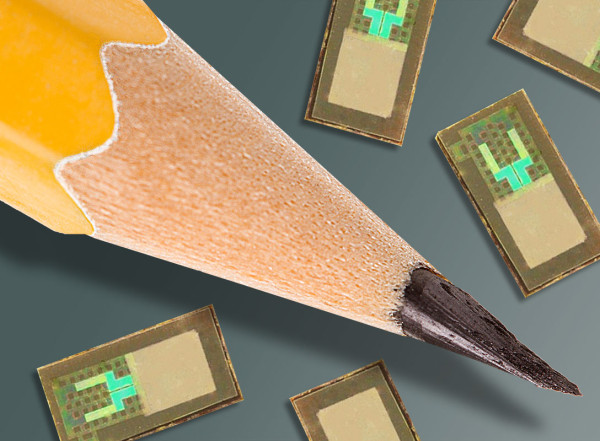
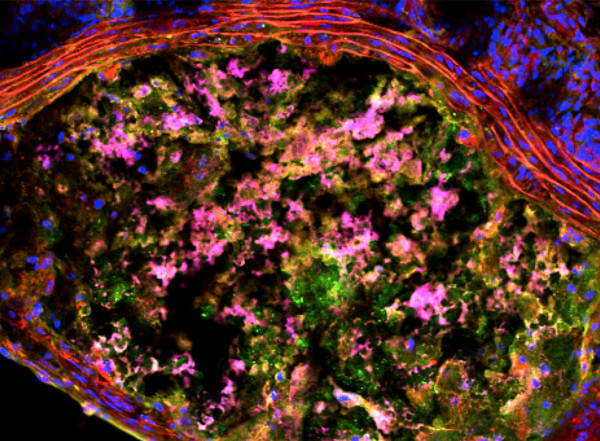
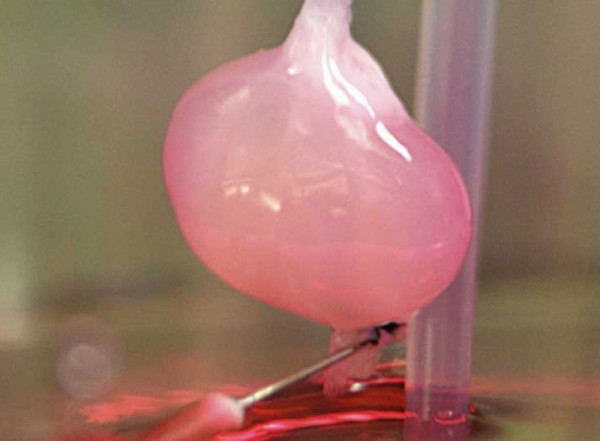
Topic: Basic Science March 7, 2016 Studies offer hope for malnourished childrenSource: New York Times February 18, 2016 Targeting gut microbes may reverse effects of childhood malnutritionHealthy microbes, breast milk component suggest new treatment approach, mouse study shows .News Release February 3, 2016 Medical Campus fertile ground for drug developmentProfessor's research may improve treatments for infertility, growth disorders, hemophilia, other conditions.News Release, School of Medicine January 21, 2016 The weight loss enemy within: BacteriaSource: Newsweek January 19, 2016 Dissolvable brain sensors disintegrate once their job is doneSource: The Atlantic January 18, 2016 Team develops wireless, dissolvable sensors to monitor brainTiny implants measure intracranial pressure, temperature before being absorbed into the body.News Release January 11, 2016 Atherosclerosis is Alzheimer’s disease of blood vessels, study suggestsProtein builds up as immune cells attempt to counteract plaque formation.News Release January 4, 2016 Will lab-grown kidneys fix our transplant waiting lists?Source: Washington Post January 4, 2016 $4.1 million Clayco Foundation gift aids research into rare diseaseGift establishes Washington University as world leader in cerebroretinal vasculopathy research.News Release December 22, 2015 Study uncovers inherited genetic susceptibility across 12 cancer typesNew finding could help improve the accuracy of existing genetic tests for cancer risk.News Release December 3, 2015 Unanue receives Sanofi-Institut Pasteur AwardOne of four scientists worldwide to receive the 2015 award, Unanue was honored for contributions to the field of immunology.National Leaders, News Release, Video November 16, 2015 Study sheds light on why parasite makes TB infections worseScientists have shown how a parasitic worm infection common in the developing world increases susceptibility to tuberculosis.News Release October 1, 2015 Circadian rhythm and lung immune functionResearchers at Washington University are looking at the relationship between circadian rhythms and lung response to respiratory infections.Innovate Magazines September 28, 2015 Antibiotic evaluated for reducing brain injury due to bleedingInvestigators at Washington University are studying the use of the antibiotic minocycline to prevent delayed injury in patients with brain bleeds.Innovate Magazines September 7, 2015 On the road to global healthWashington University researchers and international partners go to great lengths to help solve some of the world’s most pervasive health challenges.Source: Washington Magazine June 24, 2015 New nanoparticle-based imaging agentClinical studies begin on a tiny technology that could help identify patients at high risk of stroke by revealing dangerous plaque in arteries.Outlook Magazine May 4, 2015 Research center seeks broad solutions for neurological diseasesThe Hope Center for Neurological Disorders explores common avenues of disease to develop and apply solutions broadly.Innovate Magazines April 15, 2015 People and their dogs may benefit from similar therapiesCanine companions share our lives. They even get similar cancers. These connections suggest a new frontier of mutually beneficial therapies.Outlook Magazine December 12, 2014 Wakefulness protein may be target for Alzheimer’s preventionA protein that stimulates the brain to awaken from sleep may be a target for preventing Alzheimer’s disease, a study by researchers at Washington University School of Medicine suggests.Innovate Magazines, School of Medicine December 4, 2014 Uncovering molecular pathways of urinary obstructionResearch at Washington University School of Medicine is clarifying the underlying causes of urinary obstruction with the goal of discovering new drug targets and treatments.Innovate Magazines October 24, 2014 Research sheds light on asthma and respiratory virusesWashington University researchers are studying respiratory viruses to better understand how they contribute to asthma and other conditions.Innovate Magazines, School of Medicine October 10, 2014 Vigilance, research and response to the threat of infectious diseaseHumans are living in unprecedented times as multiple infectious diseases threaten to become public health issues.Outlook Magazine October 3, 2014 Researchers seek method to predict aggressiveness of oral cancerStudying oral cancer in mice, researchers have found a way to predict the aggressiveness of similar tumors in people, an early step toward a diagnostic test that could guide treatment.Innovate Magazines, School of Medicine August 26, 2014 WUSTL scientists among world’s most influentialThomson Reuters’ ScienceWatch includes 18 Washington University scientists.National Leaders Posts navigation ‹ Prev 1 … 5 6 7 8 Next ›