



Research Firsts
WashU Medicine has been home to history-making discoveries for more than 130 years. Today, our researchers continue to lead with determination, pushing the boundaries of science to unlock cures and transform patient care.
Explore some of the pioneering breakthroughs that began on our campus — and continue to shape the future of medicine.
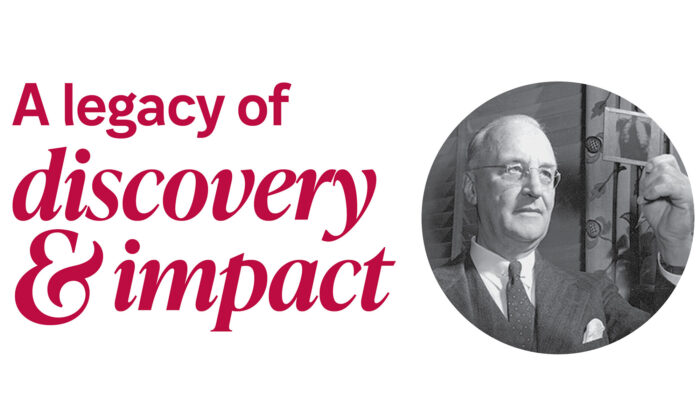
1920s
First U.S. treatment for childhood diabetes
By preparing insulin treatment for a child with diabetes, our researchers led the way in making a once-fatal diagnosis manageable. (1922)
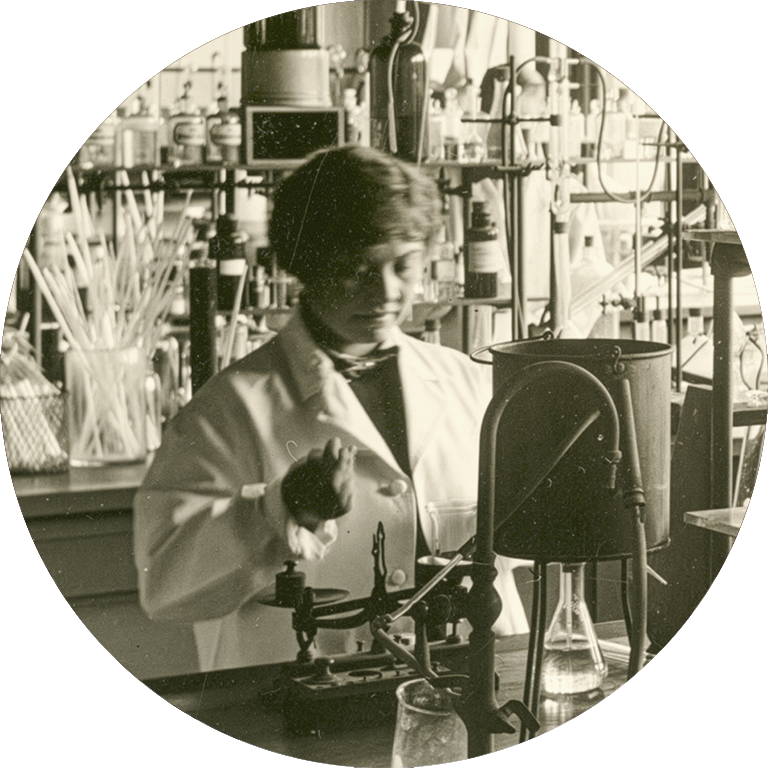
1950s
Linked smoking to lung cancer
Smoking was rampant in midcentury America — even in hospitals. Our landmark studies shifted perceptions and sparked a global public health movement. (1950)
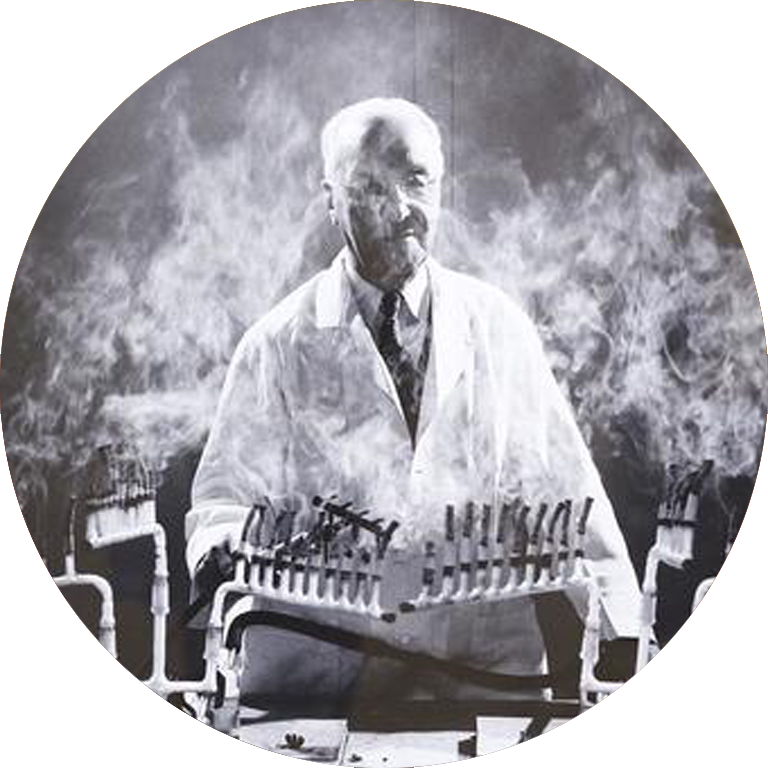
1970s
Revealed aspirin’s ability to prevent heart attacks
Physicians first showed how low-dose aspirin keeps clots at bay, helping prevent heart attacks — a discovery credited with saving thousands of lives each year. (1973)
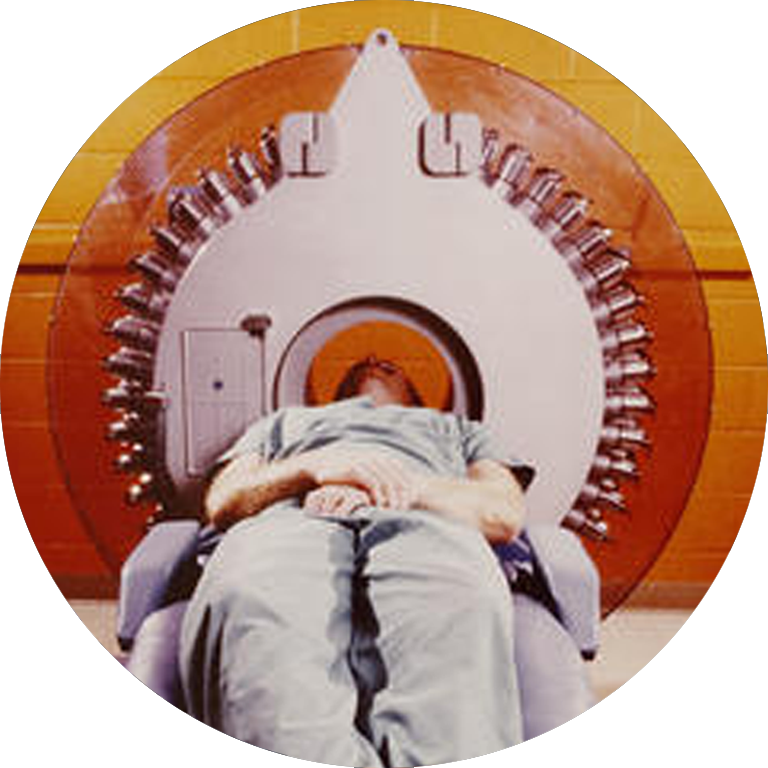
Invented PET scanner
This groundbreaking invention images the brain and shows organs at work, opening a scientific window into our bodies. (1974)
1980s
First transplant using donor nerve
Surgeons restored movement to a child using donor nerve tissue from a cadaver, opening a new era for patients with devastating nerve injuries and reshaping the treatment of peripheral nerve surgery. (1988)
1990s
Advanced the Human Genome Project
Our scientists made pivotal contributions to the first-ever “human instruction manual,” paving the way for a bold new era of precision medicine. (1990)
2000s
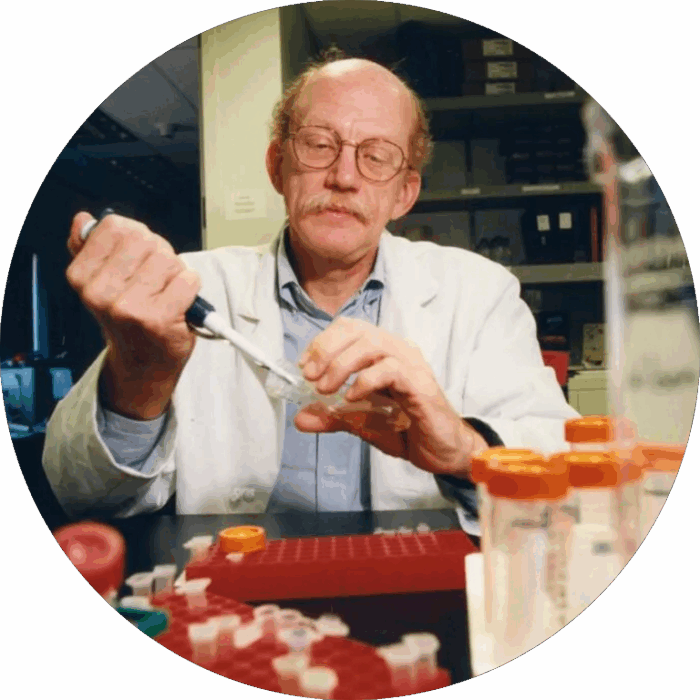
Reshaping nutrition with landmark microbiome science
Medical teams pioneered microbiome-informed nutrition to improve growth and recovery for malnourished children. One major example, Project Peanut Butter, has delivered ready-to-use therapeutic foods to more than 1 million children — part of our larger effort to reshape global approaches to malnutrition. (2004)
2010s
Redefined mobility for kids with cerebral palsy
Over the course of more than 5,300 surgeries, our surgeons forever refined selective dorsal rhizotomy for children with cerebral palsy, helping thousands of kids walk, play and live more freely. (2017)
Invented blood test to diagnose Alzheimer’s
A world-changing leap forward in early detection that allows earlier intervention and an opportunity to tailor targeted treatments to individual patients. (2017)
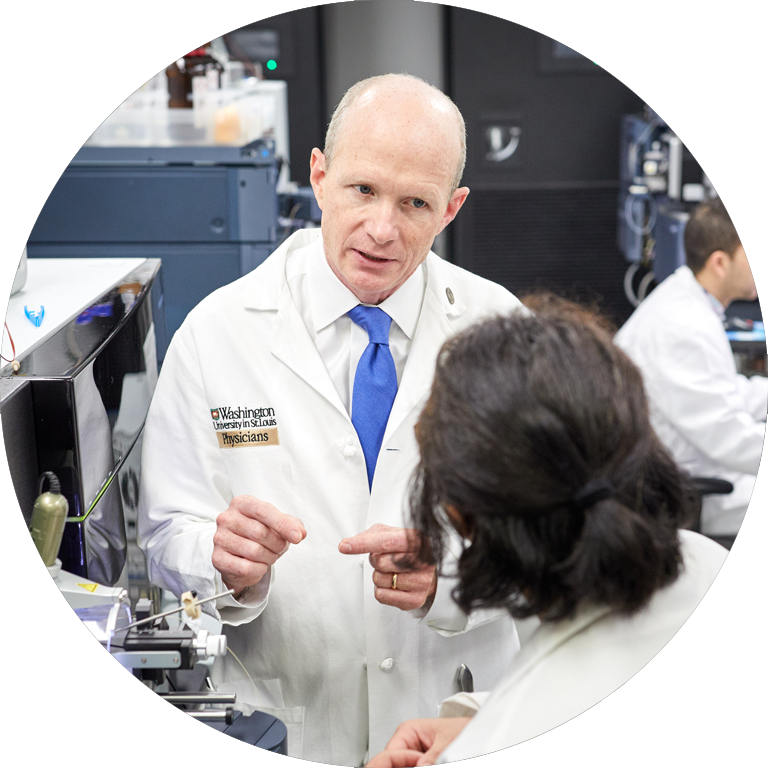
Radiation reimagined to heal the heart
Researchers used a single, targeted dose of radiation — long reserved for cancer — to stop ventricular tachycardia. This groundbreaking approach to a deadly heart rhythm defied convention, proved effective and is now moving through clinical trials as a potential new life-saving treatment. (2017)
2020s
Developed novel breast cancer vaccine clinical trials
The first-ever fully personalized vaccine — known as a neoantigen DNA vaccine — targeting hard-to-treat triple-negative breast cancer shows promise for patients. (2024)
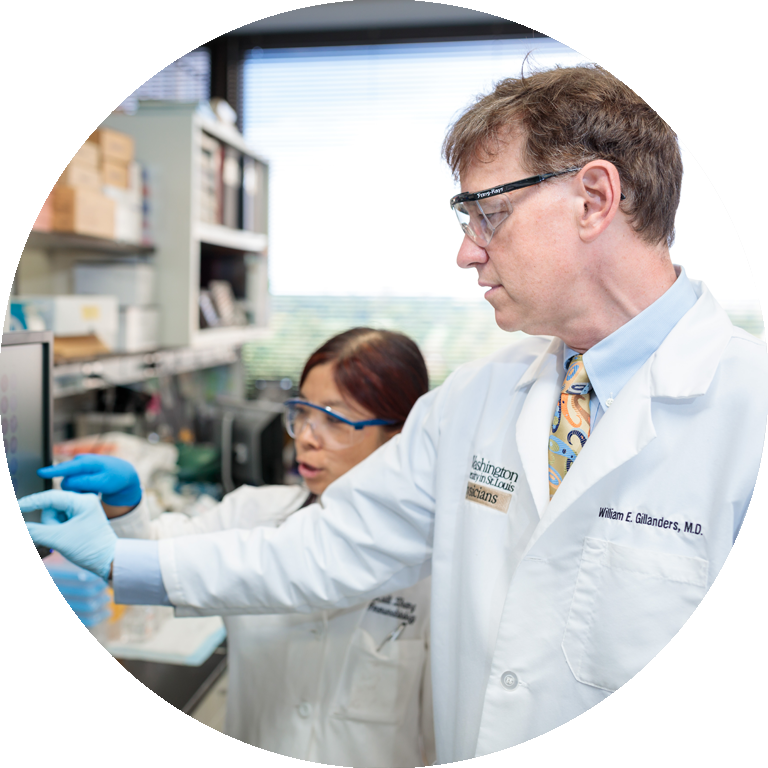
Breakthrough therapy for preschool depression
Researchers first introduced a parent-child therapy approach to help young children feel better and stay better, changing the course of their mental health for years to come. (2025)
Advanced CAR T immunotherapy offers new hope
Scientists engineered a new CAR T-cell therapy that uses healthy donor cells to fight aggressive blood cancers. In early studies, most patients experienced full remission, offering hope for those who have little time and even fewer options. (2025)