
Impact
Long before the microbiome was ever on the scientific radar, researchers at WashU Medicine were pioneering the field — uncovering how the trillions of microbes that live inside the human body profoundly shape our health. These discoveries transformed our understanding of the gut-brain connection and revealed the microbiome’s role in everything from nutrition and immunity to cancer and chronic illness, fundamentally changing how we diagnose, treat and prevent disease.
WashU Medicine breakthroughs

Jeffrey Gordon, MD, widely considered the “father of the microbiome,” established gut microbiome research as scientific discipline

First to uncover the link between microbes, obesity and childhood nutrition, opening new paths to treat and prevent disease worldwide
How a food developed in a lab landed on TIME Magazine’s Best Inventions of 2025
The medical consequences of childhood malnutrition can last a lifetime — and one WashU Medicine researcher has dedicated his life’s work to solving this global health crisis. Now, a food he co-developed to nurture healthy gut microbes in malnourished children has been named a TIME Magazine Best Invention of 2025.
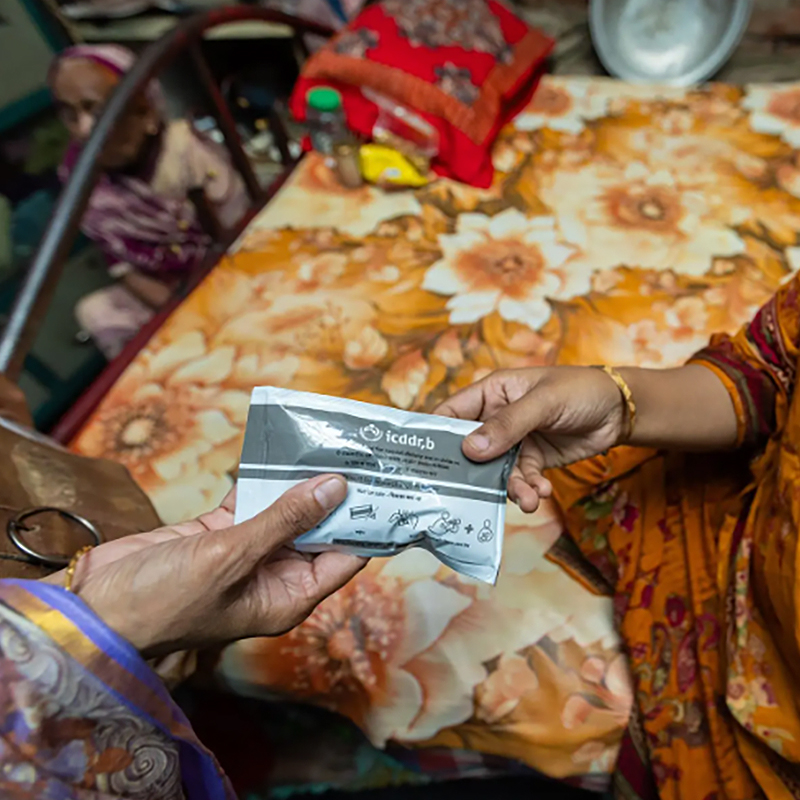

Billions of microbes. Thousands of children. One groundbreaking therapy.
A breakthrough therapy led by WashU Medicine is transforming how the world treats childhood malnutrition. Backed by the World Health Organization, UNICEF and the Gates Foundation, the clinical trials are saving the lives of children in South Asia and Africa.
Turning probiotics into precision cancer fighters
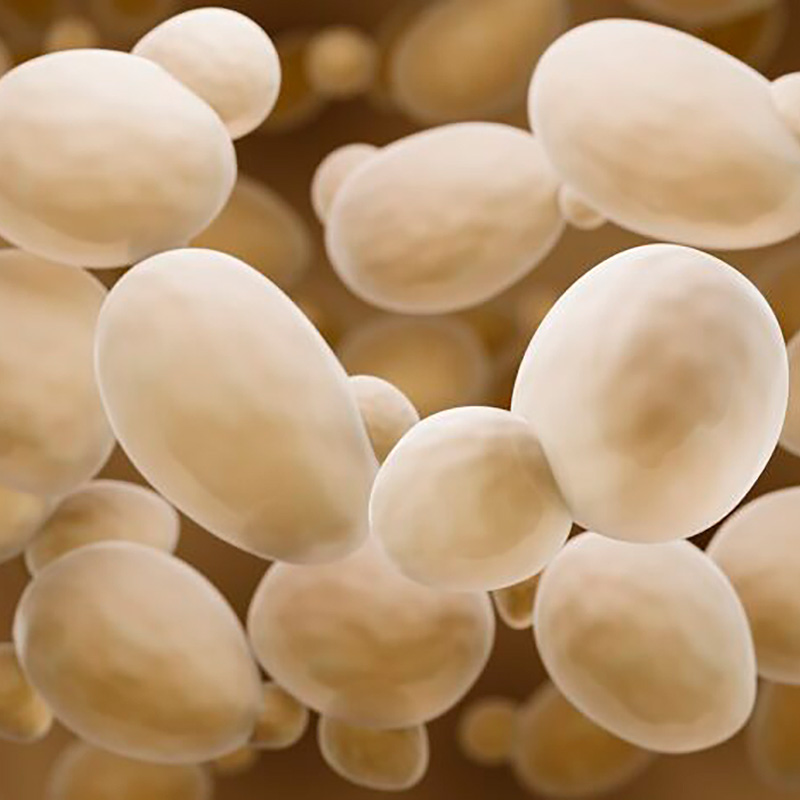
WashU Medicine researchers are growing gut-friendly yeast that yield cancer-fighting couriers. These engineered probiotics are designed to deliver devastating blows to hard-to-reach tumors — a bold new approach for cancers that resist, recur and once refused to be contained.
Rethinking where Alzheimer’s begins
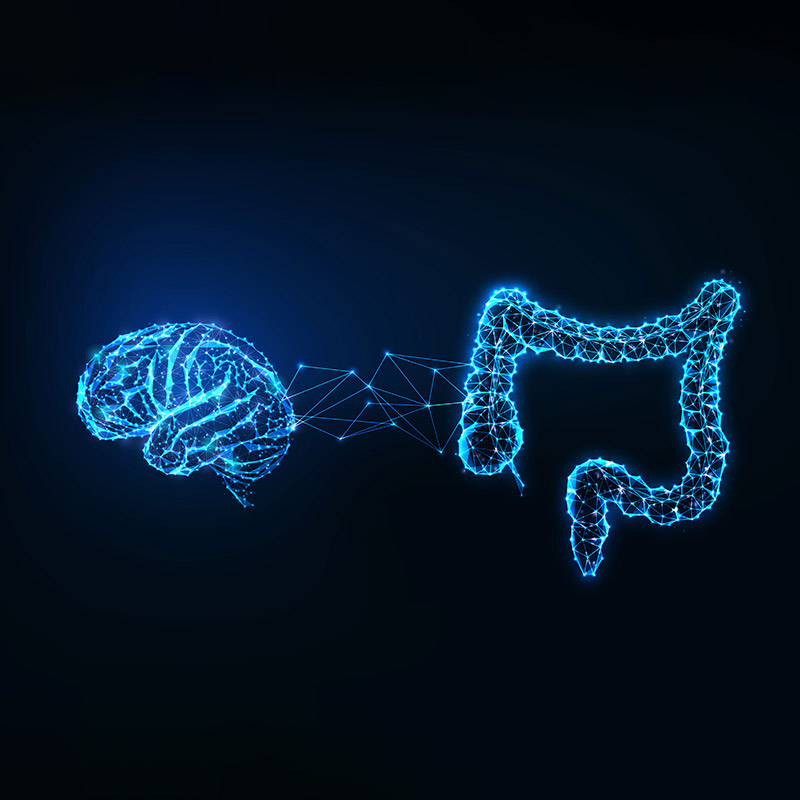
Our groundbreaking research shows that seeds of neurodegeneration may take root in the gut long before symptoms appear in the brain. This discovery could help delay — or even prevent — memory loss, reshaping what’s possible for millions of families.
Turning dark matter into bright science
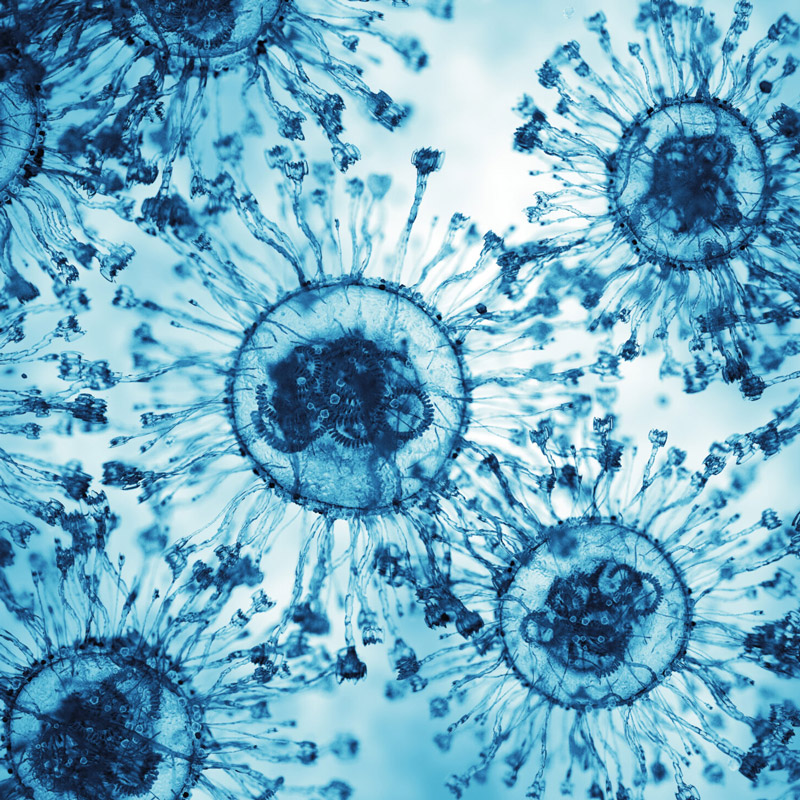
There are more viruses in your body than stars in the Milky Way — over 380 trillion. WashU Medicine is leading the charge to decode this vast “dark matter” known collectively as the human virome. Cataloging and understanding them all is a complex mission, but is already unlocking new answers for immunity, disease and the future of medicine.
Dr. Jeffrey Gordon receives Dr. Paul Janssen Award
Gordon Lab: a shared sense of purpose