
Impact
Memory. Movement. Language. Emotion. Identity. When the brain falters, so does the very essence of who we are. At WashU Medicine, we’re driven by the urgency to preserve and restore what makes us human. The brain is the last, vast frontier of human health and within its mysteries lie the answers to some of medicine’s most complex diseases, from Alzheimer’s and ALS to dementia, depression and more.
Neurosciences by the numbers

Global leaders
in neurosciences

#1 NIH funding for neurology research
120+ research labs

1,000+ researchers

A future that wasn’t supposed to exist
Once defined by inevitability, ALS is being reshaped by science and grit. Through a targeted therapy first discovered at WashU Medicine, patients with a specific form of ALS are reclaiming strength, movement and future plans. From farming to ballet, read how patients are continuing to live their lives once thought impossible.
From inheritance to intervention: a new approach to beating Alzheimer’s
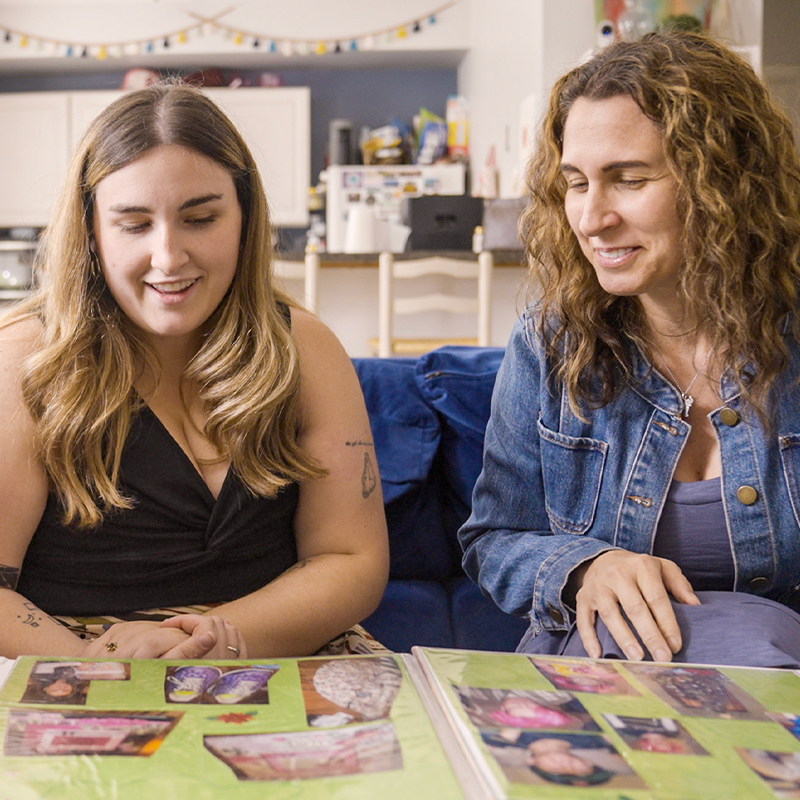
What once felt inevitable is now being challenged by bold science and brave families — and the results are changing how we think about Alzheimer’s. Within the labs and clinics of WashU Medicine, there is a new narrative emerging. One not of inevitability, but of intervention.
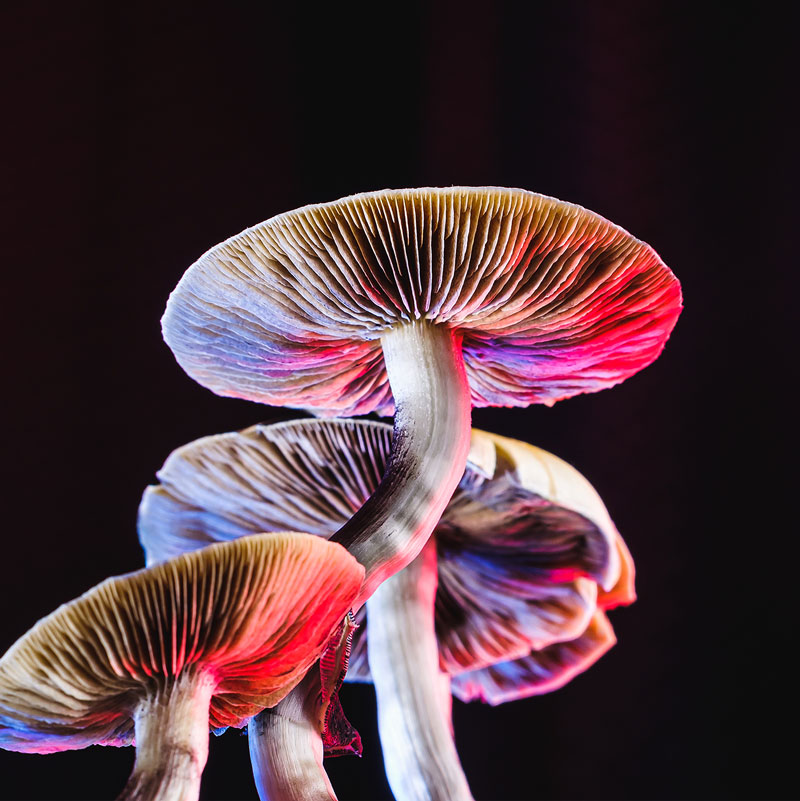
Turning psychedelics into lifesaving treatments
Once dismissed as counterculture curiosities, psychedelic drugs are now reshaping the landscape of mental health research. WashU Medicine researchers are uncovering their potential to treat depression, PTSD and other conditions — bringing rigorous science to a field historically shrouded in mystery.
The key to curing neurodegenerative disease? It may be sleep.
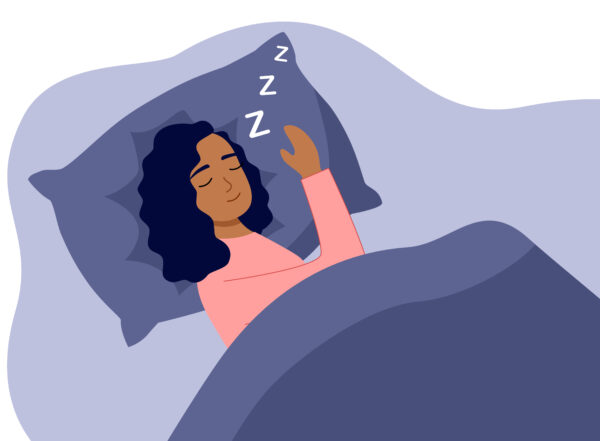
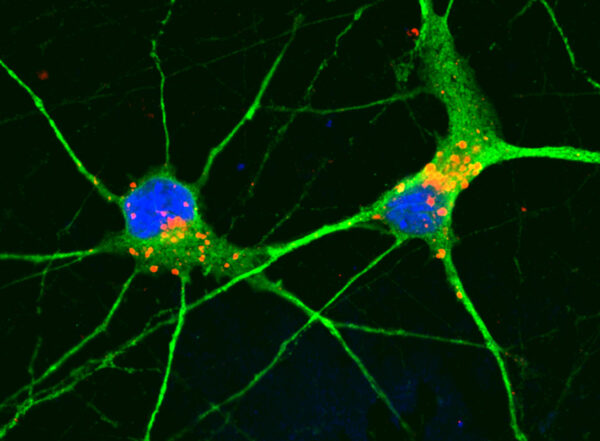
While you sleep, your brain isn’t resting — it’s cleaning. WashU Medicine researchers discovered that neurons act as tiny pumps, creating waves that flush out harmful waste. This natural detox system could be key to preventing Alzheimer’s and other neurodegenerative diseases and scientists here are exploring whether optimizing this process could improve brain health.
Discover more innovations in neuroscience research and care in Outlook Magazine »
A Piece of Me: Giving it all to find a cure to Alzheimer’s
Two decades of research is changing what it means to be diagnosed with ALS
Hope against the odds: Surviving a complex brain tumor
What’s in a building? The complex science behind what makes us human