



A small implant is delivering big relief for severe depression
What if relief from severe depression didn’t come from a new drug — but from an electrical signal inside our bodies?
In the RECOVER study — a multicenter clinical trial led by WashU Medicine researchers — scientists found that stimulating the vagus nerve improved symptoms and quality of life in patients with advanced, treatment-resistant depression. These patients had tried an average of 13 treatments without success and had lived with depression for nearly three decades.
“There is a dire need to find effective treatments for these patients, who often have no other options,” said lead investigator Charles Conway, MD, a professor of psychiatry and director of the WashU Medicine Treatment Resistant Mood Disorders Center. “With this kind of chronic, disabling illness, even a partial response to treatment is life-altering, and with vagus nerve stimulation we’re seeing that benefit is lasting.”
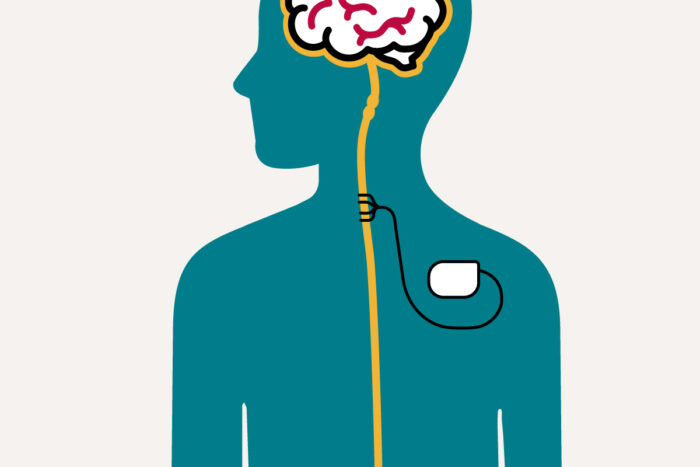
The vagus nerve is one of the body’s main communication lines, carrying signals between the brain and key organs that help regulate mood, heart rate and other physical functions.
Unlike “shock therapy,” which delivers brief, high-intensity stimulation to the brain, vagus nerve stimulation works more like a pacemaker, sending ongoing signals through that nerve.
The implanted device sits under the skin in the chest and works quietly in the background. This steady approach is key, as the benefits to VNS build over time — nearly one-third of patients who had not responded after one year reported benefits by the end of the second.
“Seeing results for this complicated illness makes me optimistic about the future of this treatment,” said Conway. “These results are highly atypical, as most studies of markedly treatment-resistant depression have very poor sustainability of benefit, certainly not at two years. We’re seeing people getting better and staying better.”