Van Essen wins 2026 Ralph W. Gerard Prize in Neuroscience
WashU Medicine neuroscientist honored for pioneering work in mapping the cerebral cortex
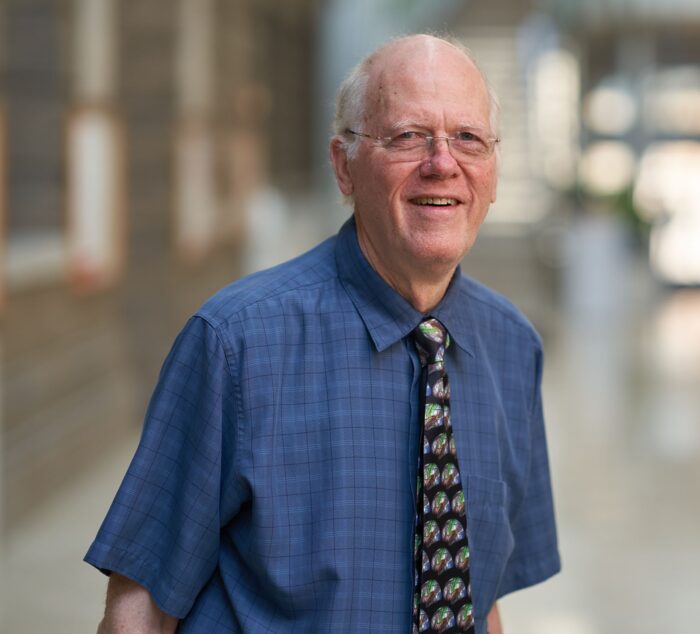
David Van Essen, PhD
David Van Essen, PhD, the Alumni Endowed Professor of Neuroscience at WashU Medicine, has been awarded the 2026 Ralph W. Gerard Prize in Neuroscience. The award is the highest honor given by the Society for Neuroscience to recognize individuals who have made significant contributions to the field.
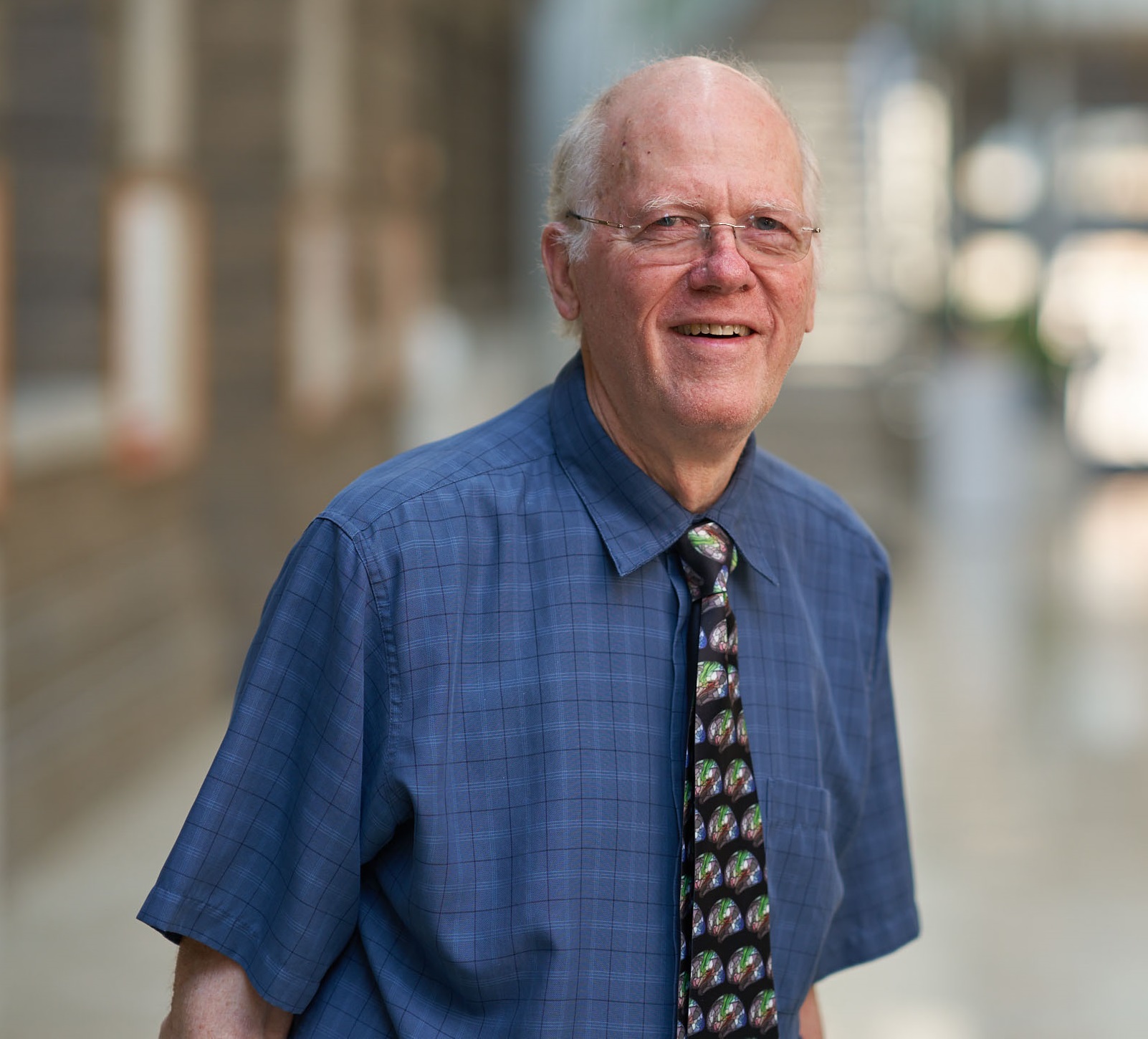
Van Essen is best known for his work as a “cortical cartographer,” making maps of the brain that reveal important insights about the structure, function, connectivity, development and evolution of the sheet-like cerebral cortex. This wrinkled outer layer of the brain is largely responsible for our perceptions and our higher-level cognitive abilities such as reasoning, language and memory.
“It is very gratifying to receive this award, particularly as it comes from my peers in the Society for Neuroscience,” Van Essen said. “I am thrilled that the work my students, collaborators and I have done has provided a deeper understanding of cerebral cortex and that our achievements are being recognized in this way.”
Using an approach that analyzed areas of the cortex based on differences in function, architecture, connectivity and topography, known as the FACT approach, Van Essen discovered previously unknown areas of the visual cortex in nonhuman primates. These studies also revealed that the cortex processes information via a distributed hierarchy that includes many stages of analysis and distinct processing streams for analyzing different features in our visual world and contributing to diverse aspects of perception and action.
Starting in 2010, Van Essen co-led the Human Connectome Project, a multi-institutional research effort to collect, process and share enormous amounts of high-quality brain scans and behavioral data from 1,200 healthy young adult twins and their nontwin siblings. The project created a detailed map of the human cerebral cortex that identified 180 distinct functional areas in each hemisphere of the brain.
Through Van Essen’s efforts, the data were shared openly, and the project has since been cited in more than 3,000 papers. He and his collaborators have also developed powerful software tools for brain visualization that are widely used in the neuroscience community.
Van Essen is a former president of the Society for Neuroscience and the founding chair of the Organization for Human Brain Mapping. For decades, he has been a passionate advocate of data sharing in neuroscience.
“David Van Essen’s science, leadership and commitment to collaboration and open data have shaped modern neuroscience,” said Linda Richards, PhD, the Edison Professor of Neuroscience and chair of the WashU Medicine Department of Neuroscience. “His work has transformed our understanding of the organization of neuronal networks in the human brain, and his commitment to sharing resources has benefited the neuroscience community beyond measure.”
Van Essen will receive the prize during Neuroscience 2026, the society’s annual meeting, held in Washington, D.C., Nov. 14-18.